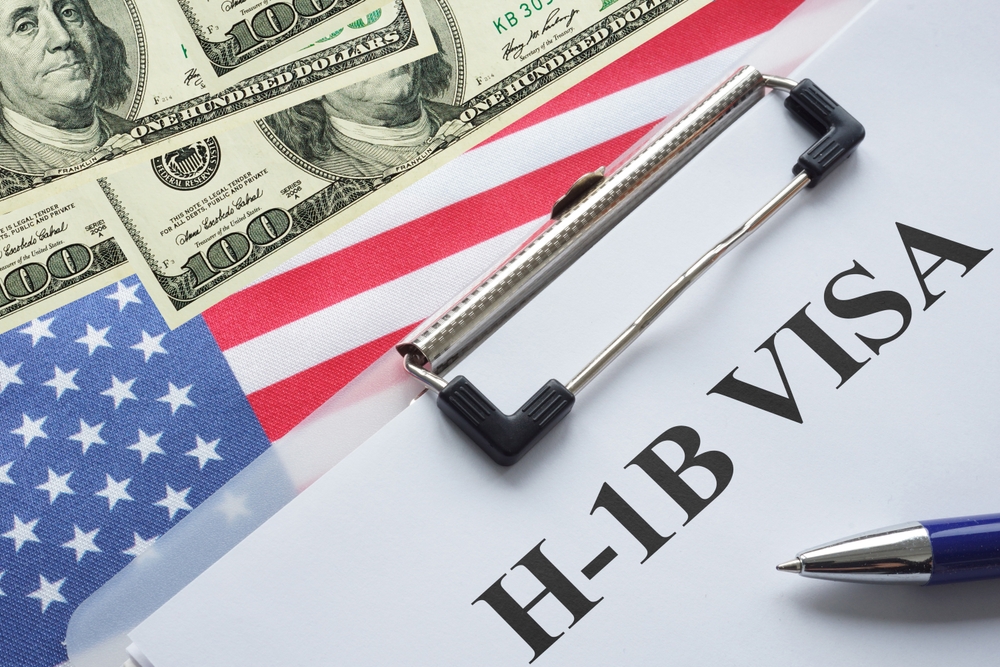
The H-1B visa program allows U.S. employers to hire foreign professionals in specialized occupations. While this visa category offers important opportunities, the application process is highly detailed. Strong H-1B visa documentation is critical for demonstrating eligibility and avoiding delays or denials.
Carefully prepared petitions supported by clear evidence can significantly increase approval chances. Both employers and employees must provide detailed documentation that shows the role qualifies as a specialty occupation and that the worker meets all qualifications.
Understanding H-1B Visa Eligibility
Before preparing documentation, it’s important to understand the basic eligibility requirements for an H-1B visa.
To qualify, the position must:
- Involve specialized knowledge or skills.
- Normally require at least a bachelor’s degree in a specific field.
- Be with a U.S. employer that is willing to act as the sponsor for the petition.
The employee must also demonstrate:
- The employee must have a directly related bachelor’s degree or equivalent experience.
- The employee’s education and experience must directly match the H‑1B offered job.
A well-documented petition clearly connects the employee’s background with the specialized nature of the position.
Why Accurate Documentation Matters
Immigration officers review H-1B petitions carefully to ensure compliance with federal regulations. Incomplete or inconsistent H-1B visa documentation can trigger a Request for Evidence (RFE) or lead to a denial.
Accurate documentation helps demonstrate:
- The legitimacy of the employer
- The qualifications of the employee
- The specialty nature of the job
- Compliance with Department of Labor requirements
Both the employer and the employee must ensure that all information submitted to U.S. Citizenship and Immigration Services (USCIS) is clear, consistent, and supported by evidence.
At Buhler Thomas Law, careful attention to documentation is a key part of preparing strong H-1B petitions.
Key Documents That Strengthen an H-1B Petition
Successful petitions include multiple types of evidence that support the employer’s claims and verify the employee’s qualifications.
Important documents typically include:
Detailed Job Description
The job description should clearly explain:
- Job duties and responsibilities
- Technical or specialized knowledge required
- Education requirements for the position
A strong job description shows that the position qualifies as a specialty occupation, which is a core H-1B requirement.
Degree Documentation and Evaluations
Applicants must show they meet the educational requirements for the position.
This often includes:
- Academic transcripts
- Diplomas or degree certificates
- Credential evaluations for foreign degrees
Degree evaluations are especially important when the applicant earned their education outside the United States.
Evidence of Specialty Occupation
Employers must demonstrate that the job requires specialized knowledge. Supporting documentation may include:
- Industry reports
- Professional job classification data
- Expert opinion letters
- Comparable job postings requiring similar qualifications
This evidence helps prove that the position meets H-1B eligibility standards.
Employer Supporting Documents
Employers must also provide information verifying their organization and business operations. This may include:
- Company background information
- Organizational charts
- Financial documentation
- Client contracts or project details
These documents help demonstrate that the employer has a legitimate need for the specialized role.
Common Reasons H-1B Petitions Receive RFEs or Denials
Even qualified applicants sometimes receive Requests for Evidence or denials due to documentation issues.
Common problems include:
- Job descriptions that appear too generic
- Insufficient proof of specialty occupation
- Missing educational documentation
- Inconsistencies between employer statements and supporting evidence
- Weak explanations connecting the employee’s degree to the job duties
When documentation fails to clearly establish eligibility, immigration officers may request additional evidence or reject the petition.
Careful preparation and legal review can significantly reduce these risks.
How Legal Guidance Improves Approval Outcomes
Preparing a strong H-1B petition requires more than simply gathering documents. Attorneys evaluate the entire case and ensure that the documentation tells a clear, persuasive story.
Legal guidance helps by:
- Identifying potential weaknesses in the petition
- Structuring documentation to meet USCIS expectations
- Ensuring consistency across all forms and supporting evidence
- Preparing responses to Requests for Evidence if necessary
Professionals seeking an H-1 B visa in Salt Lake City often benefit from experienced legal support to navigate the complex requirements of the program.
Why Work With Buhler Thomas Law
Immigration law is constantly evolving, and H‑1B petitions must meet strict federal standards. As a boutique law firm focused exclusively on immigration law, Buhler Thomas Law works closely with both employers and foreign professionals to build strong, well‑documented petitions.
From refining job descriptions to organizing supporting evidence, this boutique practice ensures each H‑1B filing is prepared with accuracy, individual attention, and strategic planning tailored to the client’s needs.
Final Thoughts
Well-organized H-1B visa documentation can be decisive in avoiding Requests for Evidence and securing timely approval. By thoroughly establishing the position as a specialty occupation and clearly evidencing the beneficiary’s qualifications, employers and employees can materially enhance the likelihood of a favorable adjudication.
With meticulous preparation and the support of experienced immigration counsel, the H‑1B petition process becomes more structured and predictable, enabling skilled professionals to advance their careers in the United States with greater stability and confidence